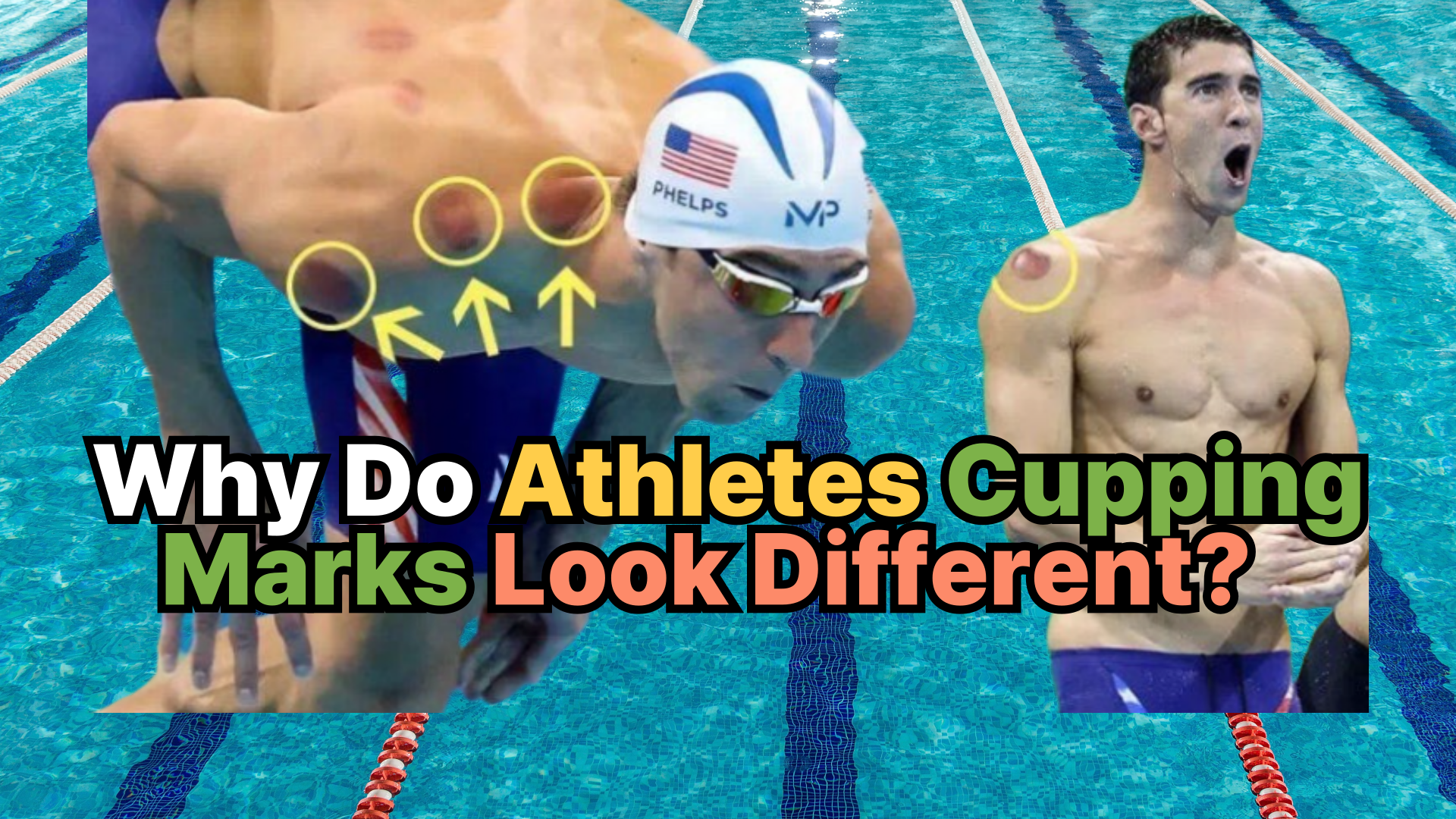
The Purple Circles on Michael Phelps' Back: The Secret Revealed
2016 Rio Olympics. The world was captivated not only by swimming legend Michael Phelps' five gold medals but also by something else: the vivid purple circular marks covering his shoulders and back. "What are those?" viewers worldwide wondered. That day, cupping became a global sports recovery phenomenon.
But here's something puzzling. Some people get cupping and barely show a light pink mark, while others develop dark purple bruises. Even among athletes, it varies dramatically. Some like Phelps show deep purple marks, while others barely mark at all. What do these color differences actually mean?
Why Kim Yuna and Kim Yeon-Koung Rely on Cupping
Figure skating queen Kim Yuna underwent three knee surgeries in her debut year alone. Right knee bone fragment removal in 2006, left knee cartilage tear surgery in 2007, and another cartilage re-tear in 2008. Before her rehabilitation was complete, she was competing in World Cups and Asian Games, suffering from chronic foot pain as well. Cupping became her essential tool for managing chronic pain and muscle tension.
Volleyball legend Kim Yeon-Koung faced similar challenges. In her rookie professional year, excessive attacking attempts led to knee surgery. She endured three consecutive years of knee surgeries and rehabilitation. Right before the Beijing Olympics qualifiers, her knee cartilage tore again, sending her back to the operating table. Even at 38, when she reversed her retirement decision to compete in every Olympic qualifying match, cupping remained her crucial recovery routine.
Why do athletes turn to cupping? The answer is simple: fast recovery equals competitive advantage. For professional athletes competing every three days, accumulated muscle pain and fatigue directly lead to injuries and performance decline. Cupping offers drug-free, surgery-free, natural blood circulation improvement and muscle tension relief—making it the optimal choice.
The Secret Behind Cupping Mark Colors: Pink to Black
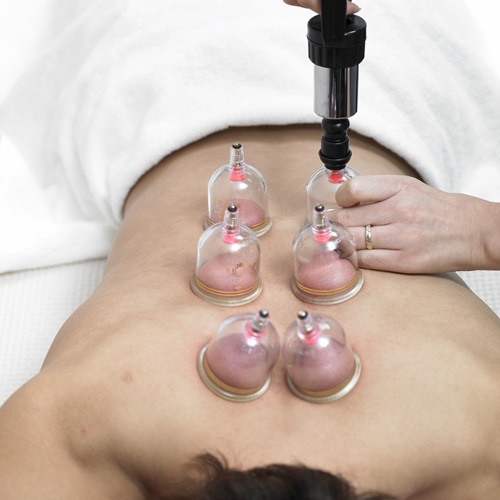
Why does skin turn red after cupping? When the cup adheres to skin, negative pressure forms, causing microscopic rupture of blood vessels and tissues beneath the skin. Blood rises to the surface during this process, creating visible pigmentation.
Here's what's crucial: the color reveals your health status.
Pink or Light Red
This indicates healthy circulation. It's the most ideal color when cupping. People with these marks typically exercise regularly, maintain higher body temperatures, and have active blood flow. The marks disappear within 2-3 days.
Deep Red or Crimson
This suggests mild circulation issues but nothing serious. It appears when fatigue accumulates or after recent intense exercise. Marks typically fade within a week.
Purple or Reddish-Purple
This color requires attention. It signals poor circulation and accumulated stagnant blood (stasis). It commonly appears with chronic pain or old bruises. Phelps' marks were exactly this color—frequently seen in athletes after intense training sessions.
Black or Dark Purple
This is the most severe stage. Circulation is extremely poor with significant blood stasis accumulation. It appears with chronic conditions or long-neglected muscle pain, and marks can last 2-3 weeks or longer. Traditional medicine uses these pigmentation patterns to diagnose disease presence and severity.
Barely Visible Marks
Paradoxically, this is also problematic. Circulation is too weak for blood to rise. This commonly occurs in people with low body temperature and minimal physical activity.
Do Athletes and Regular People Show Different Cupping Marks?

Many assume "athletes are healthy, so their cupping marks should be lighter." Reality tells a different story.
Athletes' cupping marks can be just as dark—sometimes even darker. Why?
Micro-Trauma from High-Intensity Training
Athletes train intensely daily. Volleyball players jump hundreds of times, figure skaters absorb dozens of landing impacts. This accumulates microscopic damage to muscles and blood vessels. When cupping is applied, stagnant blood gathers at these trauma sites, creating darker colors.
Repeated Injuries and Surgical History
Athletes like Kim Yuna and Kim Yeon-Koung who've undergone multiple surgeries may have compromised circulation in affected areas. Post-surgical scar tissue forms, obstructing normal blood flow.
Extreme Pre-Competition Tension
When muscles are in hypertonic states, compressed vessels reduce circulation. Athletes cupping before major competitions often show intense purple marks for this reason.
But Recovery is Faster
The key difference between regular people and athletes isn't mark color—it's recovery speed. Athletes with high activity levels and active metabolism often see marks disappear in 2-3 days. Meanwhile, sedentary people with lower body temperatures may retain identical-colored marks for 2-3 weeks.
Understanding Circulation Through Cupping Mark Colors
Ultimately, cupping mark colors directly reveal circulation status. Even with identical cupping intensity and duration, people show different colors because their blood flow states differ.
When circulation is poor, blood pools at cupping sites, turning dark purple. This is what traditional medicine calls "stagnant blood." Modern medicine recognizes this as oxygen-depleted venous blood—normal blood that's problematic because it's stagnant.
Cupping forcibly draws this stagnant blood to the skin surface for elimination, allowing fresh blood to fill the space. This process dramatically increases blood flow, improves oxygen and nutrient delivery, and removes inflammatory substances and metabolic waste.
Research shows that blood flow volume and oxyhemoglobin concentration increase sharply during cupping. Post-treatment, circulation improves even in surrounding areas, accelerating muscle recovery.
When to Be Cautious About Cupping Marks
While cupping marks reveal health status, darker marks aren't always better.
Stop immediately if blisters form or skin damage occurs. Excessive negative pressure or prolonged duration can cause skin blistering and wounds. Thin-skinned areas like the neck are particularly vulnerable to scarring with excessive treatment.
Don't repeatedly treat the same area. Cupped areas experience skin trauma. When stagnant blood darkens the area, nerve stimulation weakens. Repeated cupping on damaged skin causes more harm without removing stagnant blood. Wait 3-4 days after initial treatment for stagnant blood to clear before re-treating.
Consult professionals if taking anticoagulants or have skin conditions. Bleeding risks or infection potential make cupping inadvisable in certain cases.
Health Ultimately Comes Down to Circulation

Exploring why athletes favor cupping and why mark colors vary reveals one fundamental truth: circulation is the key to health.
Blood delivers oxygen and nutrients while removing waste and inflammatory substances. Good circulation means faster muscle recovery, less pain, and stronger immunity. Poor circulation leads to chronic pain, fatigue, swelling, and cold extremities.
Cupping is a physical method for forcibly improving circulation. Without drugs or surgery, simple negative pressure mobilizes stagnant blood. There's a reason it's been used across East and West for thousands of years.
Kim Yuna, Kim Yeon-Koung, Michael Phelps—they reached world-class status not just through talent. They succeeded by finding and practicing optimal recovery methods amid grueling training. Cupping was central to their recovery.
What color are your cupping marks? That color reveals your current circulation status—your health status. If you want healthy pink marks, the answer is clear: regular exercise, adequate sleep, stress management, and appropriate cupping treatment when needed. Health ultimately comes down to blood circulation.