The Secret to Maintaining a Body of Steel: Cupping Therapy
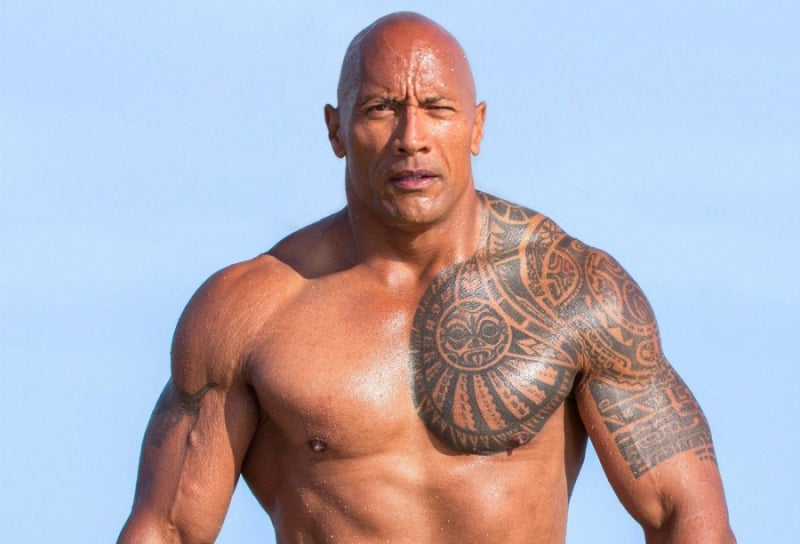
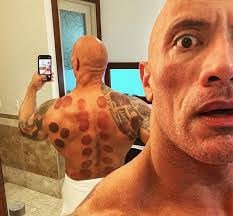
Dwayne Johnson, better known to us as The Rock, is not just a movie star. A former WWE wrestling champion, he's now one of Hollywood's top action stars and producers. If you look at his social media, you'll often see circular marks on his back and shoulders - the telltale signs of cupping therapy. Why has this global superstar chosen this traditional healing method?
Body Management History Dating Back to His Wrestling Days
The Rock was active in WWE from 1996 to 2004, building his reputation as a professional wrestler for eight years. Wrestling, despite appearances, is an extremely intense sport. Behind the spectacular performances lie countless injuries and muscle damage. Lifting opponents in the ring, performing takedowns, and exchanging strikes subjects joints and muscles to extreme stress.
During his wrestling career, The Rock experienced various injuries including shoulder problems, knee issues, and back pain. In 2002, he suffered a serious injury where his abdominal muscles were torn while attempting a hurricanrana move. These experiences taught him the importance of body care and recovery.
Action Movies: Another Battlefield

After retiring from wrestling, The Rock embarked on a serious acting career, primarily in action films. Looking at his filmography - the Fast and Furious franchise, Skyscraper, Rampage, Jungle Cruise, Black Adam - most are works that demand extreme physical action.
Movie sets are just as dangerous as wrestling rings. Filming car chase scenes, fight sequences, and explosion scenes means actors are constantly pushing their bodies to the limit. The Rock is famous for performing most of his own stunts, which means high injury risk. He was actually taken away in an ambulance during the filming of Fast and Furious 7.
Shooting days extend over 15 hours, requiring dozens of repetitions of movements like lifting heavy props or hanging from wires. Muscle soreness, sprains, and bruises become routine. Without quick recovery, filming schedules suffer and more serious injuries can develop.
Why Thorough Body Management is Essential
Given The Rock's profession, maintaining peak physical condition is not optional - it's essential. He's famous for starting his workouts at 4 AM every day. He does weight training twice daily and incorporates cardio exercises. Working out six days a week, he spends over 320 days a year in the gym.
To maintain such intense training alongside filming requires recovery management above all else. Without proper muscle recovery, chronic fatigue accumulates, injury risk increases, and workout performance declines. Born in 1972, The Rock is now in his early 50s. Unlike his younger years, recovery takes longer, requiring even more meticulous care.
The Discerning Expert Who's Tried Every Therapy
The Rock has likely tried almost every conceivable recovery treatment to manage his body. Physical therapy, sports massage, chiropractic care, acupuncture, contrast baths, cryotherapy, infrared saunas, myofascial release, electrical stimulation therapy - he's utilized various methods that modern sports medicine offers.
He maintains a professional team of personal trainers, nutritionists, and physical therapists who monitor his condition 24/7. His diet is strictly managed with 6-7 meals daily, and supplement intake is systematic. Among the treatments chosen by this meticulous and thorough individual is cupping therapy.
Cupping Therapy: Why The Rock Chose It
Cupping therapy is a traditional treatment used in Chinese medicine for thousands of years. It works by attaching cups to the skin to create negative pressure, promoting blood circulation and releasing muscle tension. Recently recognized in the West for its effectiveness, many athletes now utilize it.
At the 2016 Rio Olympics, swimmer Michael Phelps revealed cupping marks on his shoulders and back, bringing global attention. Since then, cupping therapy has become essential recovery treatment among NBA, NFL, and Olympic athletes. The Rock has also directly experienced cupping's benefits and uses it consistently.
The biggest advantage of cupping therapy is removing waste accumulated deep in muscles and improving blood circulation. After intense workouts, fatigue substances like lactic acid accumulate in muscles, which cupping effectively removes. It also relaxes fascia, increasing muscle flexibility and preventing injuries.
The Rock is known to frequently receive cupping on his back, shoulders, and thighs. These areas are most used and fatigued during weight training and action scene filming. He's posted photos on Instagram showing prominent cupping marks, mentioning "This is the secret that keeps me moving."
Scientifically Proven Effects of Cupping
Modern medical research supports cupping therapy's effectiveness. According to various clinical studies, cupping is effective for chronic pain relief, muscle recovery promotion, increased range of motion, and inflammation reduction. Research showing significant results for athletes' muscle soreness recovery has been published.
When cupping applies negative pressure to skin, capillaries expand and blood flow increases. This increases oxygen and nutrient supply while promoting waste removal, accelerating muscle recovery. It also blocks pain signal transmission, providing immediate pain relief.
The Rock's Daily Routine: Recovery is Competitiveness
Looking at The Rock's daily routine reveals he invests as much time in recovery as training. After morning workouts, he alternates between ice baths and contrast baths, and in the evening receives massage or cupping therapy. Before bed, he relaxes body and mind with stretching and meditation.
For him, recovery isn't just about relieving fatigue - it's an investment in next day's performance. The secret to maintaining a body rivaling those in their 20s-30s even in his 50s lies in this thorough recovery management. Cupping therapy occupies an important part of that recovery program.
Cupping Therapy Chosen by Celebrities
Besides The Rock, many celebrities receive cupping therapy. Actress Jennifer Aniston made headlines revealing cupping marks on her back on the red carpet, and singer Justin Bieber, actress Gwyneth Paltrow, and tennis player Andy Murray are also known to enjoy cupping therapy.
The reason they choose cupping is simple: it works. They can quickly recover their bodies despite busy schedules and manage pain without drugs or surgery. Another advantage is having virtually no side effects and being safe.
Athletes and Performance Enhancement
Professional athletes across various sports have embraced cupping as part of their recovery protocols. NBA players regularly use cupping during the grueling season to maintain peak performance. Olympic athletes incorporate it into their training camps. The therapy helps reduce muscle stiffness, speeds up recovery between intense training sessions, and can improve athletic performance by optimizing muscle function.
For someone like The Rock who maintains an athlete's training regimen while working 16-hour days on film sets, cupping provides a competitive edge. It allows him to train harder, recover faster, and maintain the superhuman physique his fans expect to see on screen.
The Science Behind the Marks
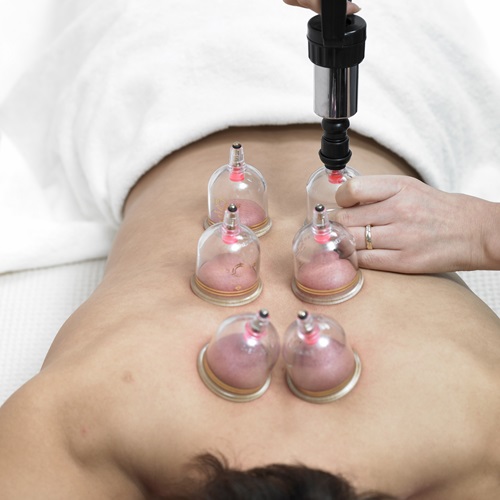
Those distinctive circular bruises aren't actually bruises in the traditional sense. They're the result of blood being drawn to the surface of the skin, bringing with it metabolic waste products from deep within the muscle tissue. This process, called "blood stasis" in traditional Chinese medicine, is thought to promote healing by stimulating the body's natural repair mechanisms.
Modern research suggests cupping may reduce inflammatory markers, increase local blood flow by up to 400%, and trigger the release of natural pain-relieving endorphins. The marks typically fade within a few days to a week, depending on the intensity of treatment and individual physiology.
Integration with Modern Training Methods
What makes The Rock's approach particularly effective is how he integrates traditional therapies like cupping with cutting-edge sports science. His recovery protocol might include cryotherapy in the morning, cupping in the afternoon, and compression therapy in the evening - all supported by precise nutrition timing and sleep optimization.
This holistic approach recognizes that recovery is multifaceted. While cupping addresses muscle tension and circulation, other modalities target different aspects of physical restoration. The synergy between these methods creates a comprehensive recovery system that keeps him performing at elite levels year after year.
Accessibility and Cost-Effectiveness
Unlike some expensive recovery technologies, cupping therapy is relatively affordable and accessible. Many physical therapists, chiropractors, and traditional medicine practitioners offer cupping services. Sessions typically last 15-45 minutes and can cost anywhere from $30 to $100, making it accessible to athletes at all levels, not just celebrities with unlimited budgets.
This accessibility is part of why cupping has experienced such a renaissance. Weekend warriors and amateur athletes can access the same recovery methods used by Hollywood's highest-paid actor, leveling the playing field when it comes to body maintenance and injury prevention.
Conclusion: Where Tradition Meets Modern Performance
The reason The Rock can't live without cupping is clear. His profession as a wrestler and action star means his body is constantly pushed to extremes and must recover quickly. That someone who's tried every cutting-edge treatment chooses a thousand-year-old traditional therapy speaks volumes about its proven effectiveness.
Cupping therapy is no longer a mysterious Eastern practice. It's a scientifically validated recovery method used by world-class athletes and celebrities. The Rock's case demonstrates how traditional medicine and modern sports science can harmonize perfectly.
If you're struggling with chronic pain or muscle fatigue, why not consider cupping therapy chosen by global stars? Thousands of years of wisdom meeting modern science can help make your body healthier and more resilient.
Whether you're an athlete, a fitness enthusiast, or someone dealing with everyday muscle tension, The Rock's commitment to cupping therapy shows that sometimes the oldest solutions are still the best. In an age of high-tech recovery tools and expensive treatments, this ancient practice continues to prove its worth on the backs of champions.